Your cart is currently empty!.
You may check out all the available products and buy some in the shop.
Continue Shopping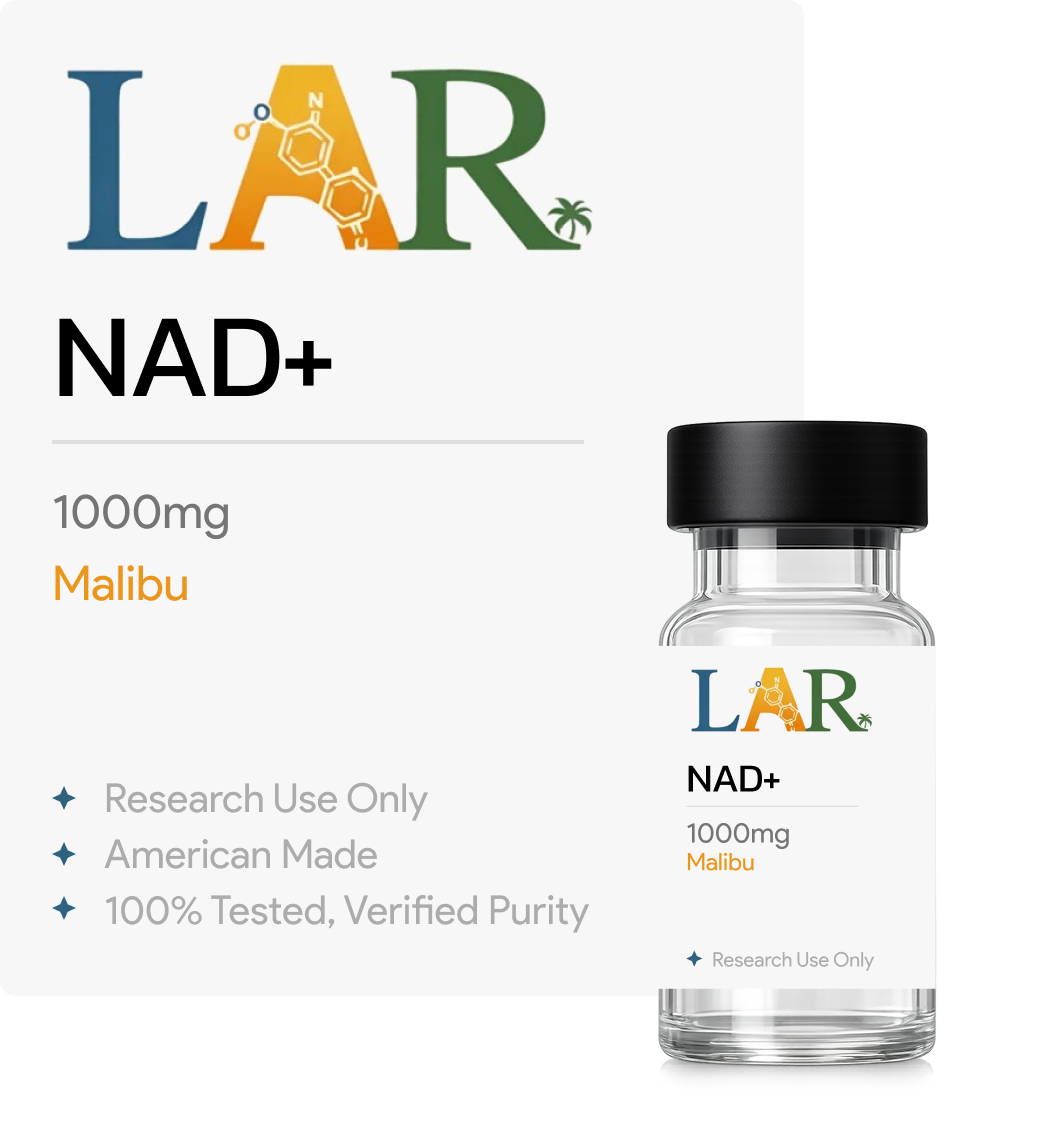
Nicotinamide adenine dinucleotide sits at the center of cellular energy biochemistry. The coenzyme cycles between oxidized (NAD+) and reduced (NADH) forms across glycolysis, the citric acid cycle, and oxidative phosphorylation. Beyond its redox role, NAD+ is a required substrate for a separate set of enzymes that includes the sirtuin deacetylases (SIRT1 through SIRT7), PARP proteins involved in DNA repair, and cyclic ADP-ribose synthases.
Sirtuin enzymes consume one NAD+ molecule for every deacetylation reaction, producing nicotinamide and O-acetyl-ADP-ribose as byproducts. This consumption makes cellular NAD+ concentrations a rate-limiting input for sirtuin activity. PARP enzymes draw from the same pool during DNA damage response, which creates competition between repair signaling and deacetylation work under stress conditions.
Arthur Harden and William Young identified the molecule in 1906 while studying fermentation in yeast extracts. Otto Warburg described its coenzyme role in the 1930s. Research interest expanded substantially after 2000 when Leonard Guarente's lab at MIT linked NAD+ to sirtuin-mediated lifespan effects in yeast, followed by work on mammalian models.
Published research literature covers the following areas:
LAR supplies this compound as a reference standard to qualified laboratories. No dosing schedules, administration methods, or human-use guidance is provided or implied.
Sealed vial: Stable at refrigerated temperatures (2–8 °C) for up to 24 months. Stable at room temperature (up to 25 °C) for 30 days during shipping.
After opening: Refrigerate at 2–8 °C and use within 30 days. Protect from light. Do not freeze after opening.
Visual check: Solution should remain clear. Discard if discoloration or precipitate appears.
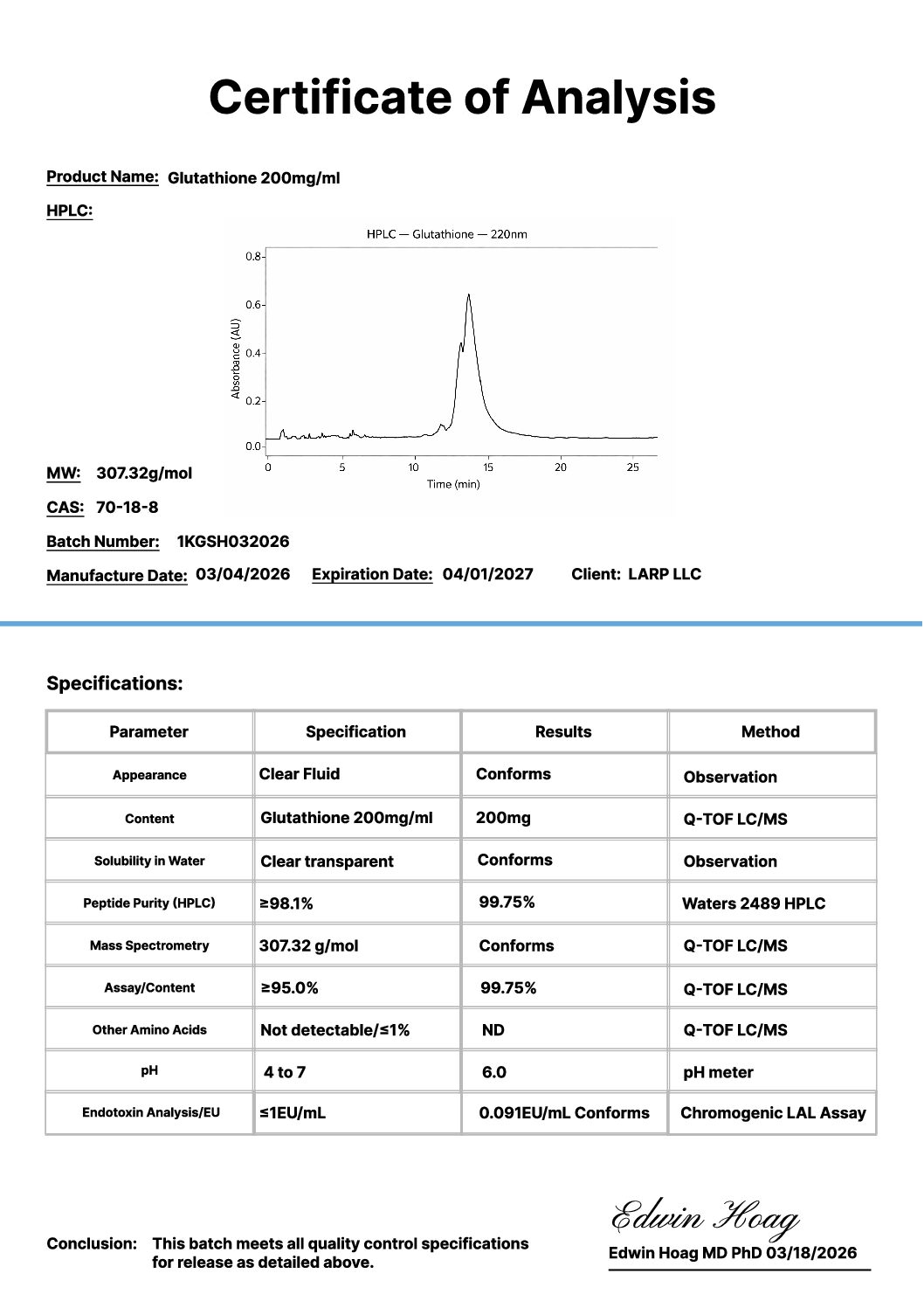
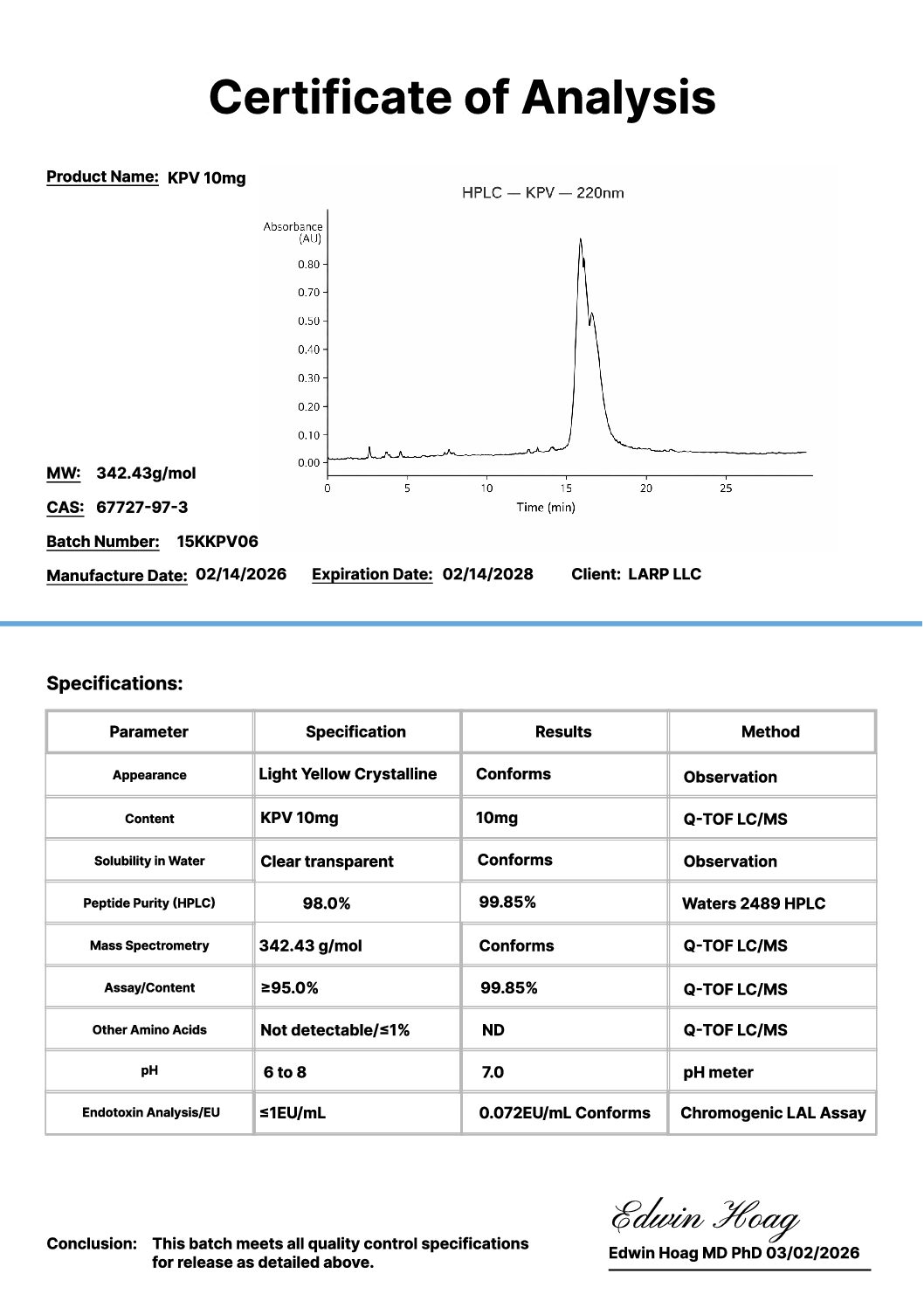
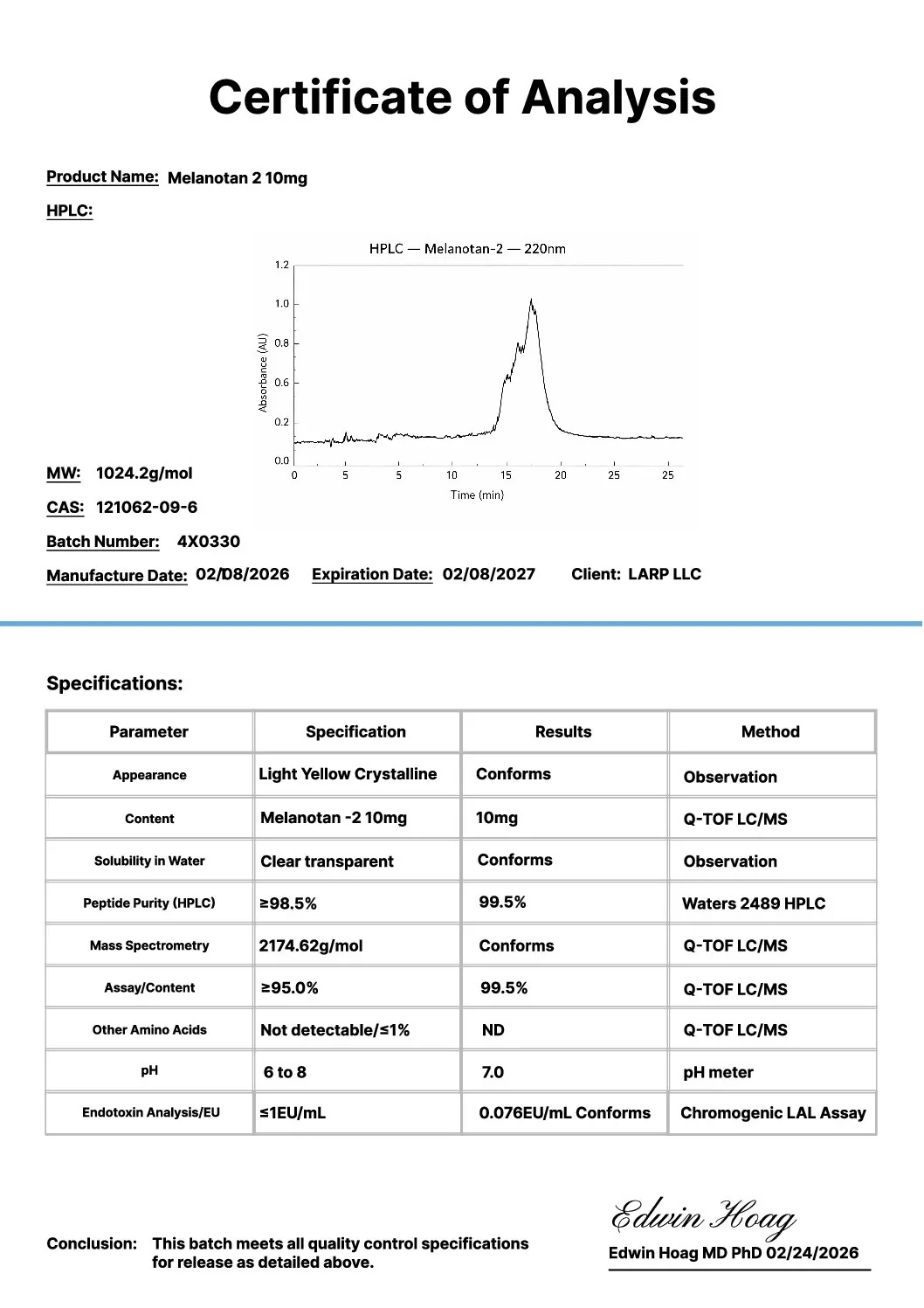
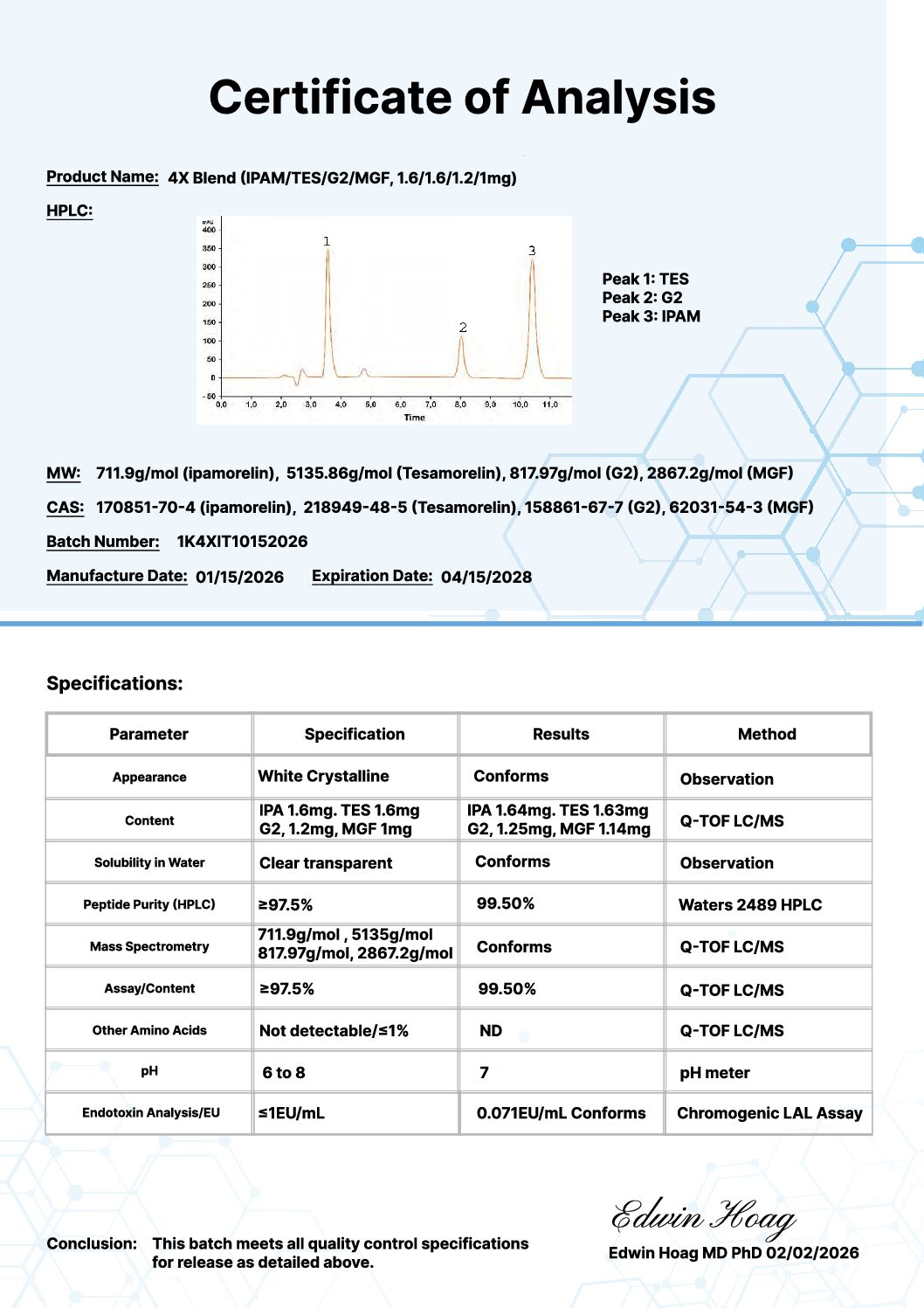
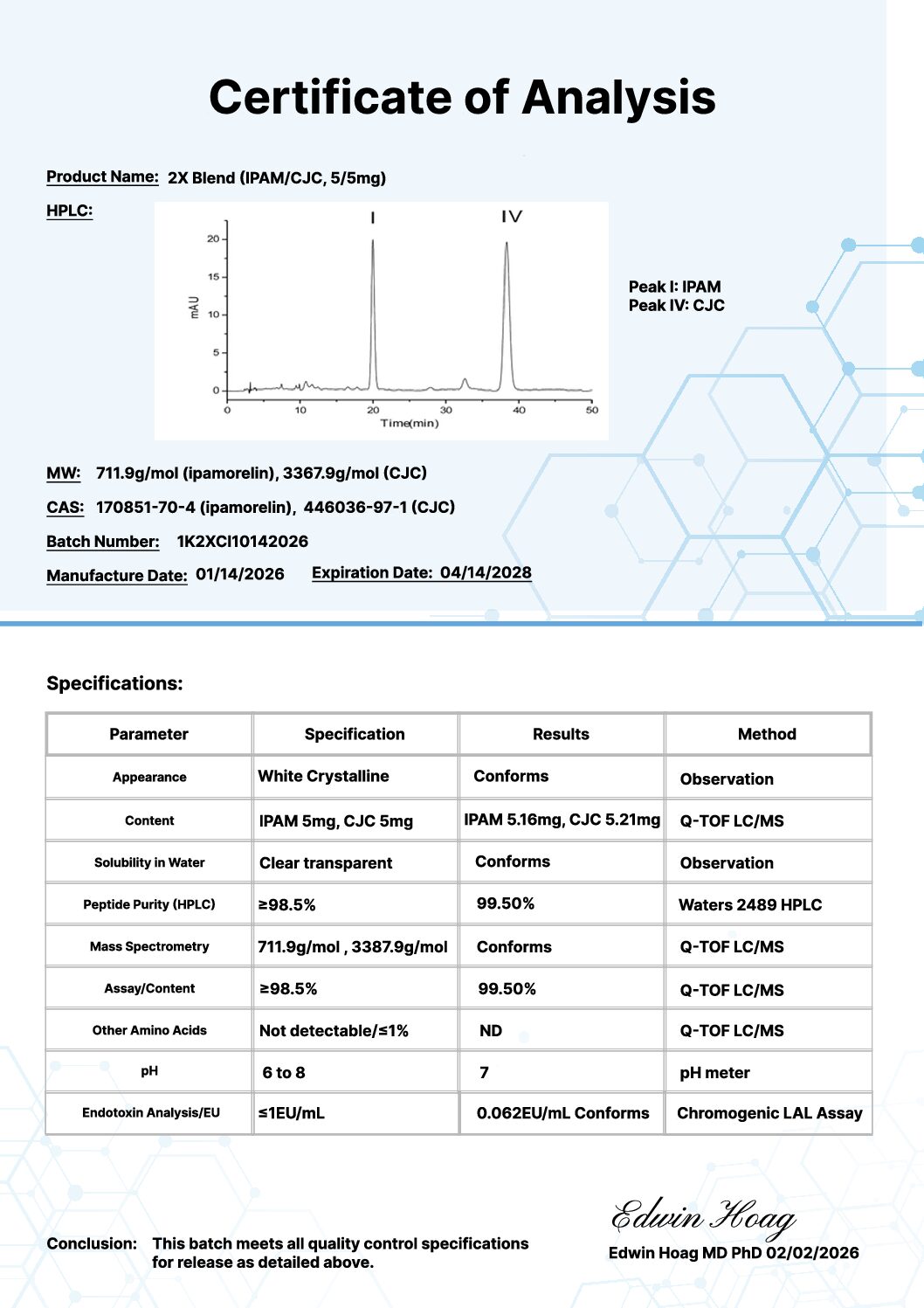
Every batch is independently tested for purity, mass, and endotoxin load. Click any report to view the full analysis.
No. Research peptides supplied by LAR are reference materials for laboratory investigation. They are not approved by the FDA or any national regulatory body for human use.
Yes. Vials ship as lyophilized powder, giving your lab control over solvent selection and final concentration. Reconstitution should follow your laboratory's standard practice.
Each manufacturing batch is tested by an independent third-party laboratory using HPLC-UV analysis. The full report, including chromatogram and mass spectrometry, is available above.
Orders ship within 1–2 business days via discreet packaging.